
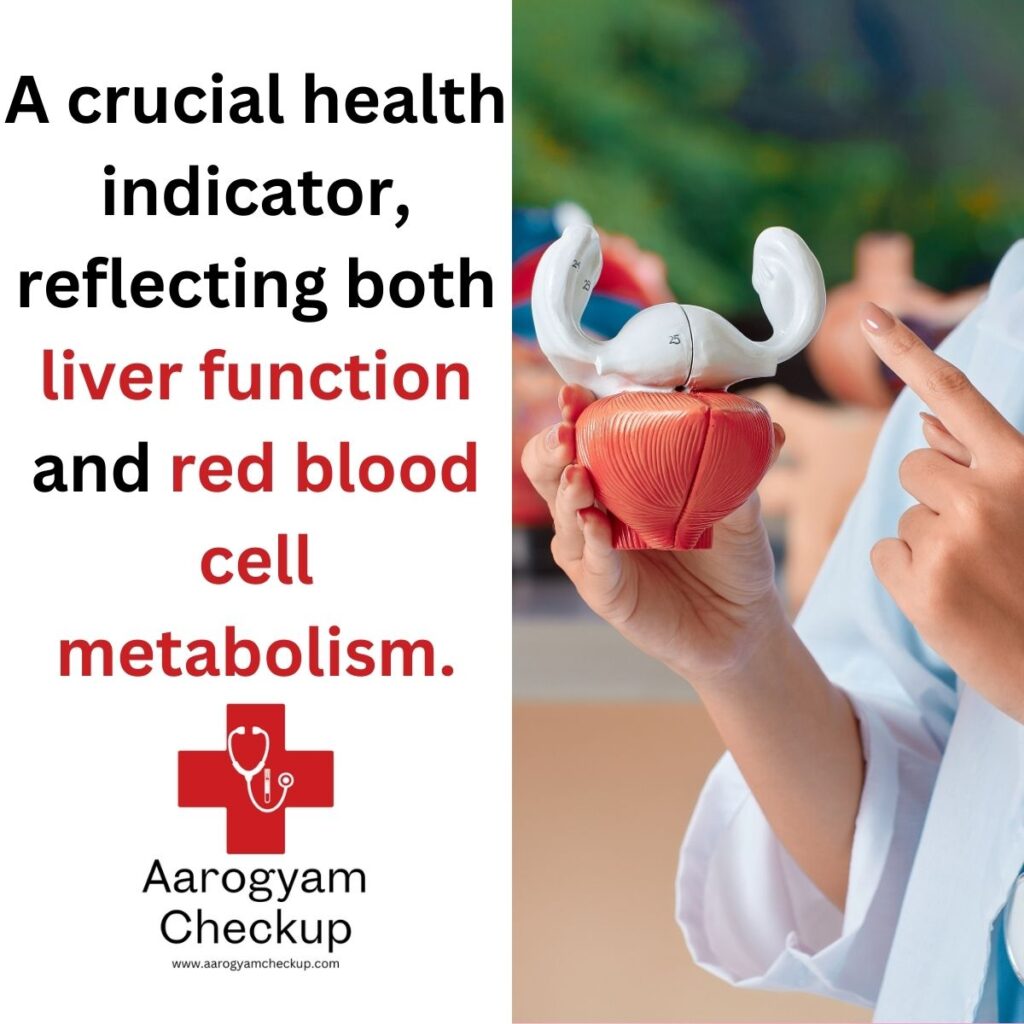
Curious about how the Total Bilirubin Test impacts your health? This simple blood test plays a vital role in diagnosing liver issues, monitoring newborns, and identifying conditions like jaundice. Let’s break down what the test involves, why it matters, and how to interpret your results.
What Does a Total Bilirubin Test Measure?
Bilirubin, a yellow pigment, forms when your body breaks down old red blood cells. The liver processes it before excreting it through bile. The Total Bilirubin Test measures both unconjugated (indirect) and conjugated (direct) bilirubin levels in your blood. High levels often signal liver dysfunction, bile duct blockages, or excessive red blood cell breakdown.
Why is this important?
- First, it helps diagnose liver diseases like hepatitis or cirrhosis.
- Second, it confirms jaundice in adults and newborns.
- Finally, it monitors treatment effectiveness for existing conditions.
Why Should You Get Total Bilirubin Test done?
Doctors typically recommend this test if you experience:
- Yellowing skin or eyes (jaundice)
- Dark urine or pale stools
- Unexplained fatigue or abdominal pain
- Persistent nausea
For newborns, hospitals perform the test within 48 hours of birth to prevent complications from severe jaundice.
How Does the Test Work?
A healthcare professional will draw a small blood sample from your arm. Unlike some tests, fasting isn’t usually required. However, always follow your doctor’s instructions. Labs typically return results within 1–2 days.
Interpreting Your Total Bilirubin Test Results
Here’s a quick guide to Total Bilirubin levels:
- Normal range (Adults): 0.1–1.2 mg/dL
- Mild elevation (1.2–2 mg/dL): May indicate Gilbert’s syndrome, a harmless genetic condition.
- High levels (>2 mg/dL): Suggests liver disease, bile duct obstruction, or hemolytic anemia.
Important note: Always discuss results with your doctor. For example, temporary spikes can occur due to medications or infections. Context like symptoms and medical history ensures accurate diagnosis.
How to Prepare for the Test?
No special preparation is needed in most cases. However, inform your doctor about:
- Medications or supplements you take
- Recent alcohol consumption
- Pre-existing conditions
Stay Informed About Your Health
Regular checkups and understanding tests like the Total Bilirubin Test empower you to take charge of your well-being. For more insights on medical tests and preventive care, follow us on LinkedIn. We share expert tips, latest research, and actionable advice to keep you healthy!
Book your test by clicking here.
Disclaimer: The information provided here is for educational purposes only and does not substitute professional medical advice. Always consult a healthcare provider for diagnosis and treatment.